
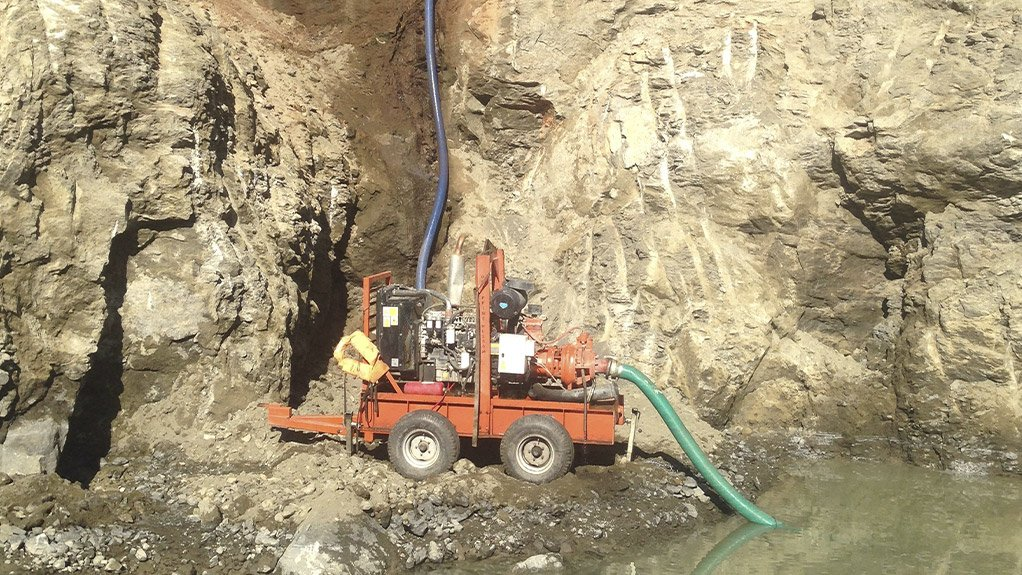
A dewatering system in mining is the integrated network of equipment, infrastructure, processes, and controls designed to remove, manage, and control excess water from a mining operation. This includes groundwater seepage, surface runoff, rainfall accumulation, and water from process slurries or tailings that could otherwise flood workings, destabilize ground, damage equipment, or create safety and environmental issues.
Dewatering systems are vital for both open-pit and underground mines, as well as for tailings storage and mineral processing facilities. They keep sites dry and stable, enable continuous production, recover water for reuse, and help meet strict regulatory discharge standards—especially critical in high-rainfall and geologically complex regions like Indonesia.
Main Components of a Mining Dewatering System
A complete dewatering system typically includes:
- Water collection and containment — Sumps, ponds, ditches, and settling areas capture water in low points or from tailings thickeners and clarifiers.
- Pumping equipment — Submersible dewatering pumps for sumps and flooded zones, high-head centrifugal pumps for lifting water to surface or higher levels, slurry pumps for solids-laden flows, and booster stations for long-distance or deep-lift applications.
- Pipelines and transport lines — HDPE, steel, or lined pipes carry water or slurry from collection points to discharge, treatment, or recycling facilities, along with drainage boreholes, horizontal drains, and underdrains in tailings structures.
- Treatment and separation units — Thickeners, filter presses, belt filter presses, centrifuges, and dewatering screens remove water from slurries and tailings, often aided by flocculants and coagulants.
- Monitoring and control systems — Flow meters, level sensors, pressure gauges, and telemetry/SCADA setups provide real-time data and remote management, plus sampling points for discharge compliance.
- Preventive infrastructure — Cut-off walls, grout curtains, horizontal drains, sealing measures, and surface diversion channels reduce inflows before they reach the main system.
Types of Dewatering Systems in Mining
Dewatering systems are tailored to the specific environment:
- Open-pit dewatering — Focuses on keeping the pit floor dry and stabilizing walls, using sump pumps, deep wells, and perimeter drains.
- Underground mine dewatering — Prevents flooding in shafts, tunnels, and stopes with staged sump pumping, borehole drains, and progressive lifting stations.
- Tailings dewatering system — Reduces moisture in tailings for safer storage or dry stacking, relying on thickeners, filter presses, and centrifuges.
- Process water dewatering — Recovers water from mineral slurries in processing plants through thickeners, vacuum filters, and belt presses.
Why Dewatering Systems Are Critical in Mining
These systems deliver essential benefits:
- Prevent flooding and ground instability for worker and equipment safety.
- Maintain uninterrupted production by avoiding wet-related shutdowns.
- Protect pumps, pipes, and infrastructure from corrosion and abrasion.
- Support environmental compliance through controlled discharge and water recycling.
- Reduce long-term costs by optimizing energy use and minimizing repairs.
In Indonesia, where heavy seasonal rain, fractured rock, and strict regulations are common, a well-designed dewatering system is fundamental to operational success and sustainability.
The Role of Durable HDPE Pipes in Dewatering Systems
High-density polyethylene (HDPE) pipes are a cornerstone of modern mining dewatering systems. They resist abrasion from solids-laden water, withstand corrosive mine chemistry, flex without cracking in seismic or settling ground, and feature smooth interiors that minimize buildup and friction losses. Their heat-fusion joints allow quick, leak-free installation—even in remote or underground locations.
Aiko Indonesia supplies premium HDPE pipes specifically engineered for dewatering discharge lines, sump pumping, tailings transport, and slurry handling. These pipes help maintain reliable, low-maintenance water management across all types of mining dewatering systems.
Conclusion: A Dewatering System Keeps Mining Dry, Safe & Efficient
A dewatering system in mining is the full setup that collects, pumps, treats, transports, and monitors water removal from pits, underground workings, tailings, and processing circuits—preventing major operational and safety problems while promoting sustainable water use.
At Aiko Indonesia, our abrasion-resistant HDPE pipes form a reliable backbone for these systems, built to perform in Indonesia’s demanding mining environments. Contact us today to explore how our piping solutions can strengthen your dewatering setup, reduce risks, and improve overall site performance.
AUTHOR BIO:

Endy Gunawan is the Director at Kharisma Group and holds a degree in Engineering, which provides the technical foundation for his expertise in complex infrastructure. He specializes in providing integrated solutions for industrial piping, prefab steel structures, and water storage systems. Endy is dedicated to driving innovation and excellence across Indonesia’s industrial landscape, ensuring that engineering precision meets strategic growth. For project inquiries or professional networking, connect with Endy Gunawan on LinkedIn