
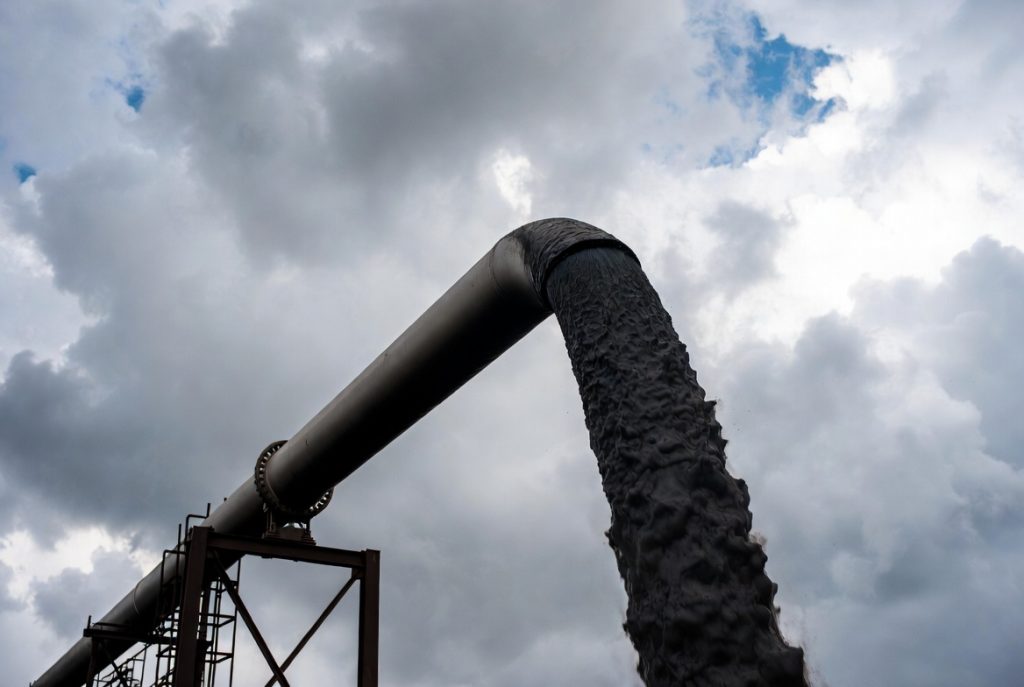
In the mining industry, the term slurry describes a mixture of solid particles suspended in a liquid—usually water—that’s pumpable and flowable. But why exactly is it called a “slurry”? The name comes from its historical roots in describing messy, semi-fluid mud.
The word slurry dates back to the mid-15th century in Middle English as “slori” or “slory.” It originally referred to thin mud, slime, or a semi-fluid mix of water and earth/clay. This ties directly to an older term “slur” (or “slore”), meaning thin or fluid mud—something sloppy, smeary, and messy.
Linguists trace it to dialectal English and possibly related Germanic words for muddy sloppiness, like Middle Low German “sluren” or Middle Dutch “sloren,” which evoke trailing or dragging through mud. Over time, the term expanded from everyday mud to technical uses in industries.
By the 19th and 20th centuries, slurry became standard in mining, engineering, and processing to describe any flowable suspension of fine solids in liquid—like ore concentrates, tailings, or mill discharge.
Why the Name Fits Mining Slurries Perfectly
Mining slurries share the same “sloppy” qualities that inspired the word:
- They’re watery and fluid enough to pump through pipelines.
- They contain fine, suspended particles that make them thick and murky.
- Without proper handling, they can settle, block, or create messy spills—much like the original muddy slur.
This descriptive name stuck because it captures the essence: a semi-liquid mess of solids and water that’s practical for transport but challenging to manage.
Relevance to Modern Mining Operations
In Indonesian mining (nickel, coal, copper, gold), slurries are everyday realities in ore transport, tailings disposal, and dewatering. The term reminds us why equipment must handle abrasion, settling, and flow issues.
Durable pipes prevent the “slur” from becoming a problem—leaks, wear, or blockages.
Aiko Indonesia’s HDPE pipes resist the abrasive nature of slurries, staying reliable even in tough, muddy conditions common in remote sites.
Conclusion: A Name Rooted in Practical Reality
Slurry is called that because it started as a word for thin, sloppy mud—and mining mixtures behave exactly the same way: flowable yet messy with suspended solids.
Understanding the origin highlights why choosing abrasion-resistant, flexible piping matters for safe, efficient handling.
At Aiko Indonesia, our HDPE slurry pipes are built to manage these challenging mixtures reliably. Contact us today to see how they can support your mining operations and reduce maintenance hassles.
AUTHOR BIO:

Endy Gunawan is the Director at Kharisma Group and holds a degree in Engineering, which provides the technical foundation for his expertise in complex infrastructure. He specializes in providing integrated solutions for industrial piping, prefab steel structures, and water storage systems. Endy is dedicated to driving innovation and excellence across Indonesia’s industrial landscape, ensuring that engineering precision meets strategic growth. For project inquiries or professional networking, connect with Endy Gunawan on LinkedIn