Blog Articles HDPE

HDPE Pipe Cost FAQ

HDPE Pipe Cost FAQ

How will using HDPE pipe save money? HDPE pipe provides the lowest long-term (life cycle) cost compared to other piping systems. Savings come from: These benefits add up to major cost savings over the pipe’s 50–100 year service life. Why does the price of HDPE pipe fluctuate? Like most products, HDPE pipe prices change due […]
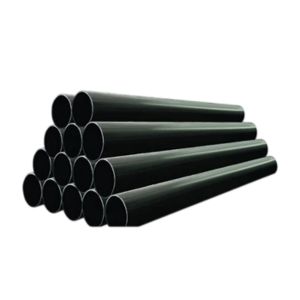
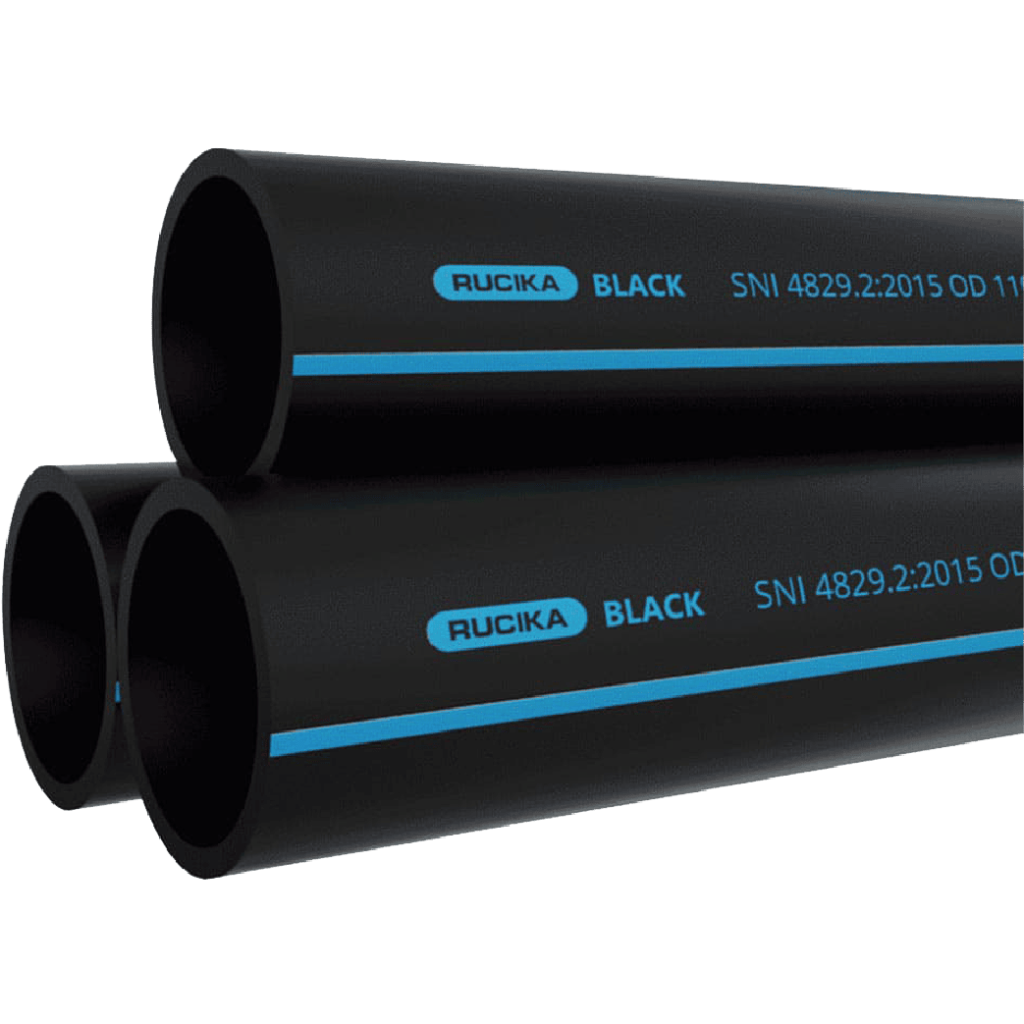
Pipa Baja Hitam

HDPE Pipe Maintenance & Repairs FAQ

When water freezes solid in an HDPE pipeline, will it damage the pipe? How is it most effectively thawed? No, HDPE pipe will not rupture or burst when water freezes solid inside it — the pipe simply expands with the ice due to its flexibility. To thaw it safely: Apply heat carefully to avoid damaging

HDPE Pipe Joining FAQ

HDPE Pipe Joining FAQ

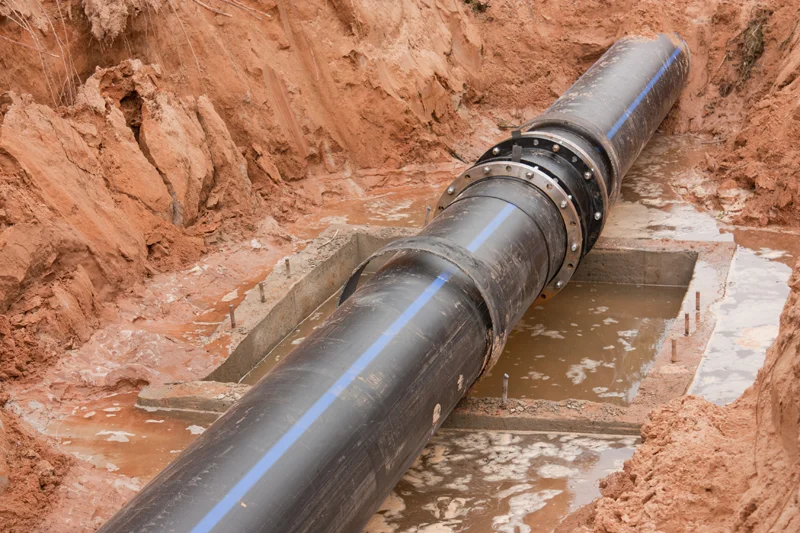
How are HDPE pipe segments joined and connected? HDPE pipe is joined most reliably using heat fusion methods. The main one is butt fusion: the pipe ends are aligned, heated until molten with special tools, then pressed together under moderate pressure. As it cools, this creates a strong, seamless joint that’s as strong as (or

Fungsi Pipa Kapiler Laboratorium dan Cara Kerjanya

Fungsi Pipa Kapiler Laboratorium dan Cara Kerjanya

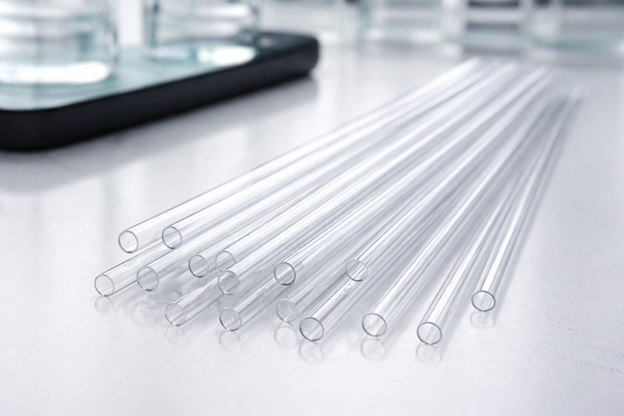
Pipa kapiler yang digunakan di laboratorium kimia memiliki fungsi yang spesifik. Oleh karena itu, penggunaannya tidak bisa sembarangan dan fungsi pipa kapiler harus dipelajari terlebih dahulu. Hal ini dilakukan agar tidak menimbulkan bahaya dan bisa dimanfaatkan dengan tepat. Pipa kapiler kimia, atau biasa juga disebut sebagai pipet kapiler, memiliki diameter paling kecil dibandingkan dengan pipa

HDPE Pipe Installation

HDPE Pipe Installation FAQ

How deep can HDPE pipe be installed? Depths vary by project and should be calculated. As a guideline, many HDPE pipes can handle cover from just a few feet up to over 100 feet (e.g., in landfill applications), depending on soil, loads, and pipe DR. Are backfill procedures different for HDPE pipe compared to PVC

HDPE Pipe FAQ

General HDPE Pipe FAQ

Q1: Is HDPE pipe safe for drinking water? Yes. HDPE pipes made for drinking water use special approved materials. They meet strict safety standards (like NSF certification) to ensure they don’t add harmful substances to the water. Q2: Does HDPE pipe come in both iron pipe size (IPS) and ductile iron pipe size (DIPS) outside

HDPE, PVC, or Steel Pipes: Which One Is Right for Your Application?

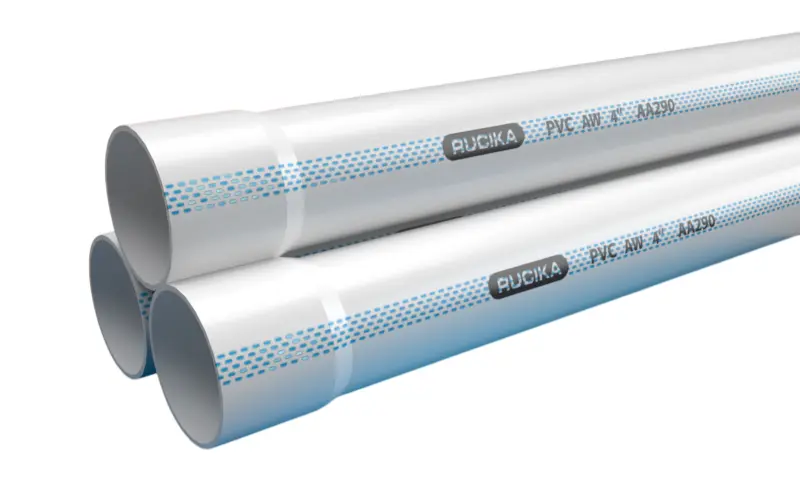
In the world of piping systems, selecting the right material can make or break a project’s success. Whether you’re planning infrastructure for water supply, industrial processes, or drainage, three popular options stand out: High-Density Polyethylene (HDPE), Polyvinyl Chloride (PVC), and steel pipes. Each has unique properties tailored to specific needs, influenced by factors like pressure

Let's Chat
Scroll to Top