
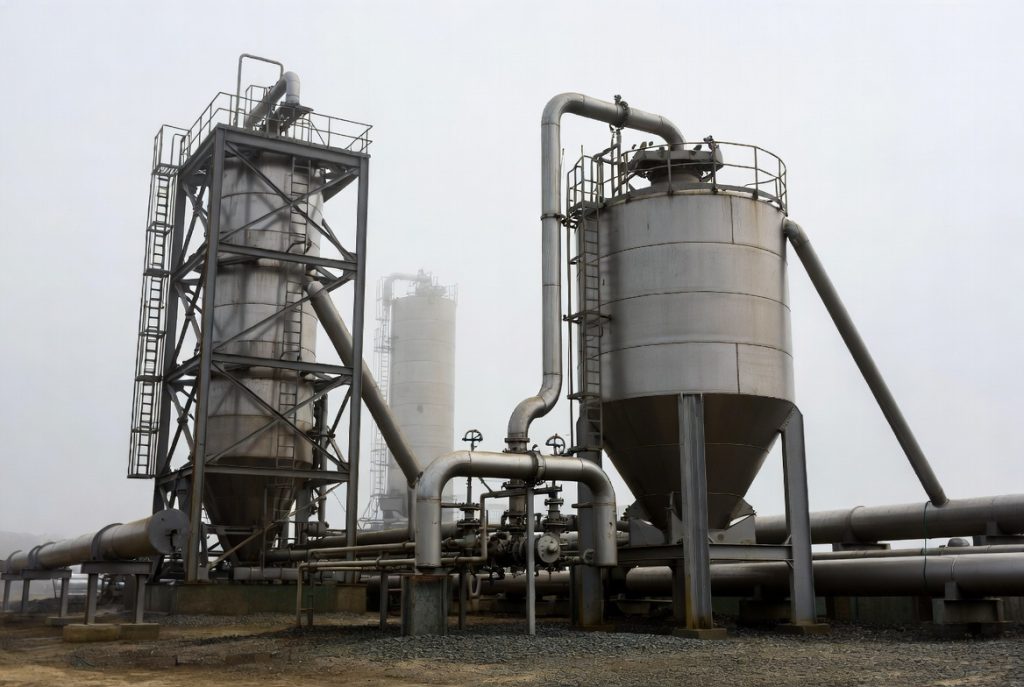
In mineral processing, slurry plants (also called slurry preparation plants, slurry handling systems, or slurry management facilities) are specialized setups that create, manage, transport, and process slurries—mixtures of finely ground ore, water, and sometimes chemicals. These plants form the backbone of many mining operations, turning raw ore into pumpable slurry for efficient downstream processing, separation, and transport.
Slurry plants are essential in Indonesia’s mining sector (nickel, coal, copper, gold) where wet processes dominate. They enable grinding, classification, flotation, thickening, and tailings handling while optimizing water use and reducing environmental impact.
What Exactly is a Slurry Plant in Mineral Processing?
A slurry plant integrates equipment to handle slurry from ore preparation to final disposal or product delivery. Core components include:
- Mixing and preparation tanks — Blend crushed ore with water to form consistent slurry.
- Pumps — Centrifugal or positive displacement slurry pumps move the mixture.
- Pipelines and hoses — Transport slurry to mills, flotation cells, thickeners, or tailings facilities.
- Thickeners and classifiers — Separate solids from liquids for concentration or dewatering.
- Agitators and screens — Prevent settling and ensure uniform flow.
These systems manage abrasive, high-density slurries safely and efficiently.
Key Roles of Slurry Plants in Mineral Processing
Slurry plants support critical stages:
1. Ore Slurry Preparation
Crushed ore mixes with water to create pumpable slurry.
This feeds grinding mills (ball/rod/SAG) for finer particle size reduction.
Proper preparation ensures even liberation of valuable minerals.
2. Transport Within the Plant
Slurry moves between units: mill discharge to cyclones, flotation circuits, or thickeners.
Reliable pumping and piping prevent bottlenecks and downtime.
3. Classification and Separation
Slurry feeds hydrocyclones or screens to sort particle sizes.
Finer fractions go to flotation for mineral recovery; coarser ones recycle or discard.
4. Thickening and Dewatering
Thickeners increase solids content in slurry for tailings or concentrate.
Dewatering reduces water in tailings, aiding disposal and water recycling.
5. Tailings Management
Final slurry (waste) is pumped to tailings storage or paste facilities.
Effective handling minimizes risks and supports reclamation.
These functions maximize recovery rates, cut energy use, and improve sustainability.
Challenges in Operating Slurry Plants
Common issues include:
- Abrasion and wear on pumps/pipes from solids.
- Settling/blockages if velocity drops.
- Variable slurry rheology affecting flow.
- High water consumption and environmental compliance.
Solutions involve abrasion-resistant materials, velocity control, and regular monitoring.
Why HDPE Pipes Are Essential in Slurry Plants
HDPE pipes resist abrasion, corrosion, and chemicals while offering smooth flow to reduce buildup. Their flexibility suits Indonesia’s terrain and seismic areas, with easy installation and low maintenance.
Aiko Indonesia provides high-quality HDPE pipes optimized for slurry plants—ideal for ore transport, mill discharge, tailings lines, and dewatering. They enhance reliability and lower long-term costs.
Conclusion: Strengthen Your Mineral Processing with Reliable Slurry Systems
Slurry plants are vital for creating, moving, and processing slurries in mineral operations—driving efficiency from preparation to tailings.
Investing in durable components prevents failures and boosts productivity.
At Aiko Indonesia, our HDPE pipes are engineered for demanding slurry applications in mining. Contact us today to explore solutions that optimize your slurry plant, improve flow, and support sustainable mineral processing in Indonesia.
AUTHOR BIO:

Endy Gunawan is the Director at Kharisma Group and holds a degree in Engineering, which provides the technical foundation for his expertise in complex infrastructure. He specializes in providing integrated solutions for industrial piping, prefab steel structures, and water storage systems. Endy is dedicated to driving innovation and excellence across Indonesia’s industrial landscape, ensuring that engineering precision meets strategic growth. For project inquiries or professional networking, connect with Endy Gunawan on LinkedIn